Stepping into the francophone cities
Students explore francophone cities through spherical videos and reflect on the relationship between history, landscapes, culture, language, built environments, traditions and music.
Snapshot
- Educator: Dr Antonia Wimbush
- Subject: FREN20025 / FREN30036 Global Francophone Cities
- Discipline: French Studies
- Study Level: Undergraduate, Levels Two and Three
- Class Size: 30 students
- Delivery Mode: Scaffolded LMS class preparation modules, combination of lectures and tutorials
Design
Why?
Taught in French, the subject takes students on a journey to Montreal, Fort-de-France, Algiers, and Nouméa. This is challenging without the opportunities to physically visit the cities and experience these cultures. This design extended the use of Google Maps and Google Earth in the subject to replicate the known benefits of field trips in bridging the gap between theory and practice (Schott, 2017) and the value of spherical media in exploring localities (Kolås et al., 2020). Additionally, immersion in video-based virtual realities can enhance motivation, self-efficacy and critical thinking (Chiu et al., 2023). Through this design, specifically, video immersion allowed students to experience these four Francophone cities, and gain ‘first-hand’ knowledge to apply to classroom language learning (Romero, 2020).
How?
Preparation and resources
The spherical videos provided an important foundation for the activity design, their production was led by the Subject Coordinator, Dr Antonia Wimbush, and a Master of Journalism student intern, who had specific interest in content creation and added a fresh student perspective to the project. The intern used Google Earth Studio and Google Maps to produce the videos, while Dr Wimbush directed their production through her expert-knowledge of the four cities. To maximise the pedagogical value of these videos, the following considerations were included in their production:
- Background music for the videos was selected to reflect the cultural and linguistic specificity of each city;
- Interactive features, such as multiple-choice questions, drag and drop to complete a sentence, free text answers, information and links to external websites, were added to the videos using H5P Interactive Video tool.
- Videos were integrated into the subject’s LMS site with clear scaffolded questions and opportunities for students to reflect on their learning.
Activity sequence
Step One
Watch and reflect at home
Step Two
Rewatch and discuss in the seminar
Step Three
Investigate the linguistic landscape
Reflection
Students had ample opportunities for reflection on the cities and their developing, situated understanding of these cities. Specifically, this was facilitated through students’ contributions to weekly LMS discussion boards.
Insights
Pre- and post activity survey data show a strong feeling among students that their understanding of the four cities was transformed through engagement with these videos. In qualitative comments, students expressed that the videos and associated activities made the four cities seem ‘more real’, built capacity to ‘better imagine’ each city, and created greater depth of understanding and interest.
Dr Antonia Wimbush shared the following observations about the activity:
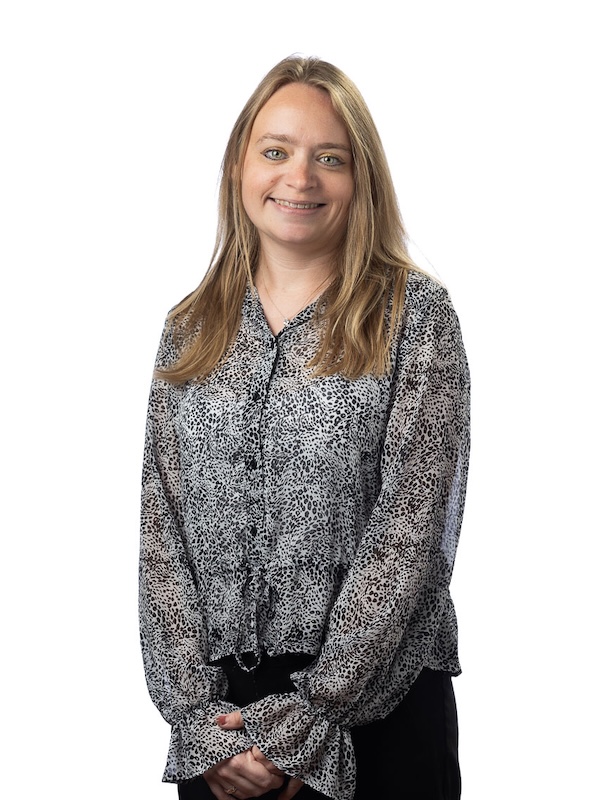
The students really enjoyed engaging with the interactive videos, both in preparation for the seminar and during class discussion. The videos gave them the opportunity to experience the cities visually and reflect on the interactions between the built environment and the natural landscape. They gained a greater understanding of daily life in these cities and learnt more about connections between different languages and cultures in the urban landscape of the four francophone cities. The interactive features were a great way to test their knowledge and understanding while also being fun and engaging.
Resources
This design required some time investment to develop the videos, and the following tech tools were also used: Google Earth Studios, Google Maps, H5P Interactive Video tool. This subject and its LMS site has been showccase
Contribute
Tell us if you have tried this design or something similar.
Click here to share your design
References
Chiu, M., Huang, G., Hsia, L., (2023). Promoting students' artwork appreciation: An experiential learning-based virtual reality approach. British Journal of Educational Technology, 54, 603-621.
Kolås, L., Eriksen, L.F., Hoem, J.Ø., Nygård, S.A. & Holand, I.S. (2020). Interactive Virtual Field Trips. Journal of Educational Multimedia and Hypermedia, 29(4), 323-339.
Romero, W. G., (2020). A developmental study on instructional principles for intercultural experiential learning with the use of 360 videos in the foreign language classroom[Master’s Thesis, Soeul National University]. S-Space.
Schott, C. (2017). Virtual fieldtrips and climate change education for tourism students. Journal of Hospitality, Leisure, Sport & Tourism Education, 21(A), 13-22.