To celebrate the launch of the Melbourne Writers Festival 2025 program, we asked Isabel Greenslade (winner of the Faculty's 2023 Melbourne Creative Writing Prize), and MPHI Producer Seth Robinson for a look into their ‘must-see’ festival favourites.

Nayuka Gorrie
We Sharpen Our Axes Against the Hardest Stone
Sun 11 May, 3.30pm
Conversation Quarter, State Library Victoria
At the top of my MWF itinerary is ‘We Sharpen Our Axes Against the Hardest Stone’, a conversation about the process of transmuting suffering into art, which was curated by Daniel Browning, one of the MWF First Nations guest curators for 2025. It is energising to think that a difficult experience, or a difficult life, can be what makes a story resonate. I have heard Nayuka Gorrie speak before and I am always moved by their ability to communicate so directly with a crowd of people. With Gorrie participating, and this centred relationship between adversity and art, I’m looking forward to a conversation about the transformative capacity of writing that is sobering and possibly also very hopeful.
— Isabel
Future Tense
Sun 11 May, 12pm
State Library Theatrette
There are layers to this event, even in its title. There’s the grammatical interpretation, sure, but it summons a kind of physical tension as well. These days, it’s hard to think about what the future without a tightening of the jaw, or the shoulders creeping up to the ears.
But this is why I love speculative fiction. These stories offer us a chance to ask ‘what if?’ and to imagine worlds shaped by our choices today. They allow us to face our biggest challenges head on, and to consider the end point of our trajectory. It tends to be a genre that’s a little underrepresented on the Australian festival circuit, so having the opportunity to hear from writers Bora Chung, Jordan Prosser, Neal Shusterman and Kate Mildenhall on the MWF stage is an opportunity that’s not to be missed.
— Seth
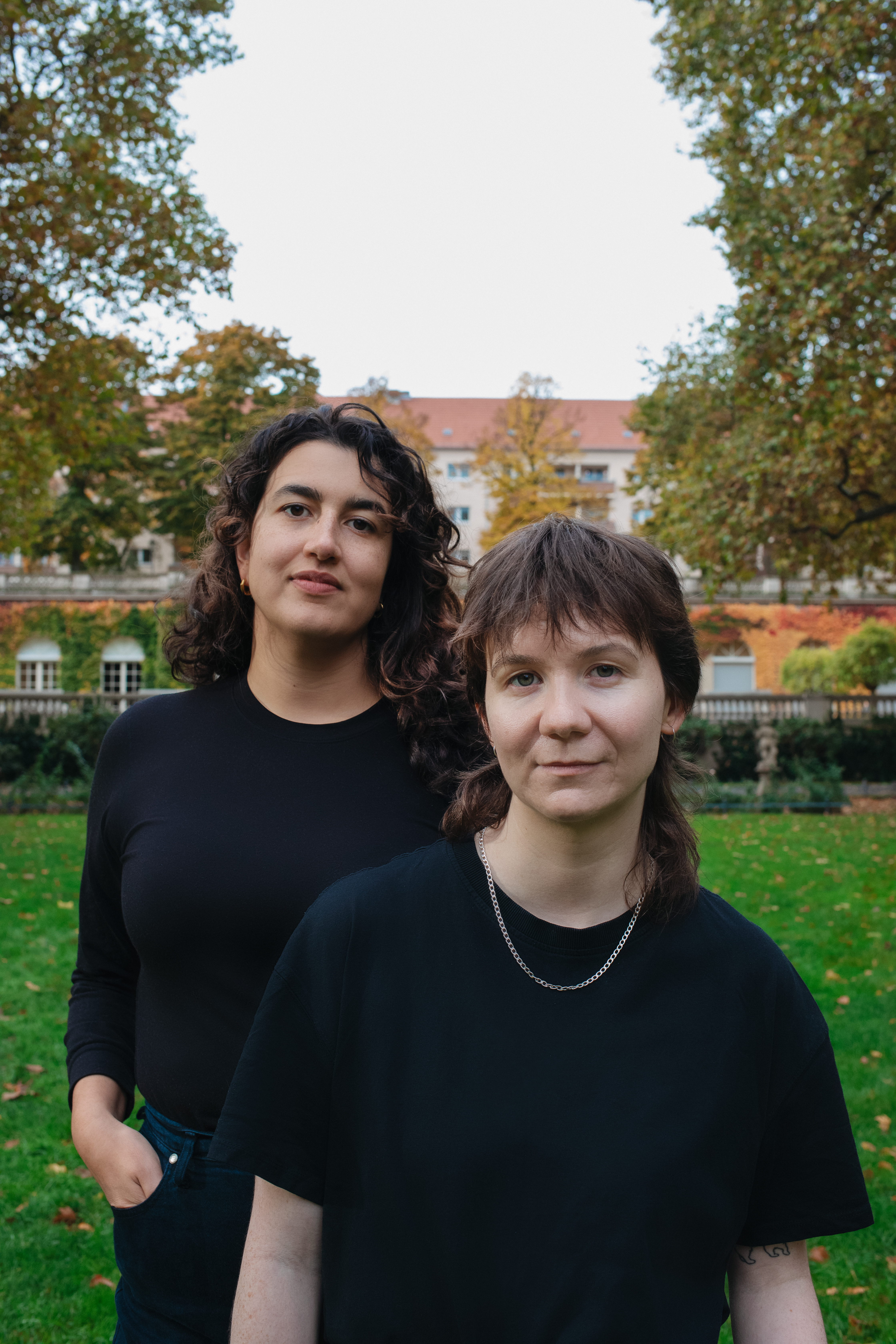
Onjuli Datta and Mikaella Clements
Horror, Hauntings and Monstrous Femmes
Sat 10 May, 3pm
Conversation Quarter, State Library Victoria
I am already obsessed with ‘Horror, Hauntings and Monstrous Femmes’. The mix of perspectives on offer here from Mariana Enríquez, Mikaella Clements and Onjuli Datta offer the chance to explore the fascinating intersections between modern and contemporary horror and femme bodies, queer bodies. Femininity can be a monstrous thing. It has been historically limited, tamed and undermined, and it is a thrill to read stories by women and queer people that celebrate its brilliantly defiant expression. It will be a thrill to hear the speakers talk about these stories.
— Isabel
The Fifth Estate: Citizenship and its Discontents
Sat 10 May, 4pm
The Capitol
I started following Thomas Mayo and his work in the lead up to ‘The Voice’ referendum. At a time when there was so much misinformation and miscommunication, he was a clear and compelling communicator and advocate. Now, as we gear up for the next federal election, I’m eager to hear his thoughts on if or how everyday voices are being heard within our media discourse, and if there are steps we should be taking to be more engaged citizens.
— Seth

Micaela Sahhar
The Writer as Witness
Sat 10 May, 12.30pm
The Wheeler Centre
As someone who often writes from observation, from my journal, or from snippets seen and heard in public places, I’m looking forward to attending ‘The Writer as Witness’. Surrounded by an excess of short-form, quickly digestible media, where we are exposed to so many other lives and other people, this act of witnessing seems more privileged than ever. How can we thoughtfully direct our attention? How can we maintain respectful boundaries between ourselves and what it is that we observe? I’m interested to hear how writers Hasib Hourani, Amy McQuire and Micaela Sahhar navigate bearing witness responsibly, and the literary forms they work with to best document their findings.
— Isabel
Asako Yuzuki: Butter
Sat 10 May, 5.30 pm
The Capitol
I know I’m late to the party, but I’ve just started reading Butter. At the time of writing, I’m three chapters in, and it’s already delicious. Yuzuki has a way of writing that brings the senses of taste and smell onto the page. It makes the novel a rare sensory experience. There’s a complex interweaving of discussion around misogyny in the media, food culture, and gender, and I genuinely cannot wait to hear her talk about how she brought these elements together. Butter is an execution of form and function that’s as smooth as its namesake. I just need to finish the book first so there are no spoilers!
— Seth