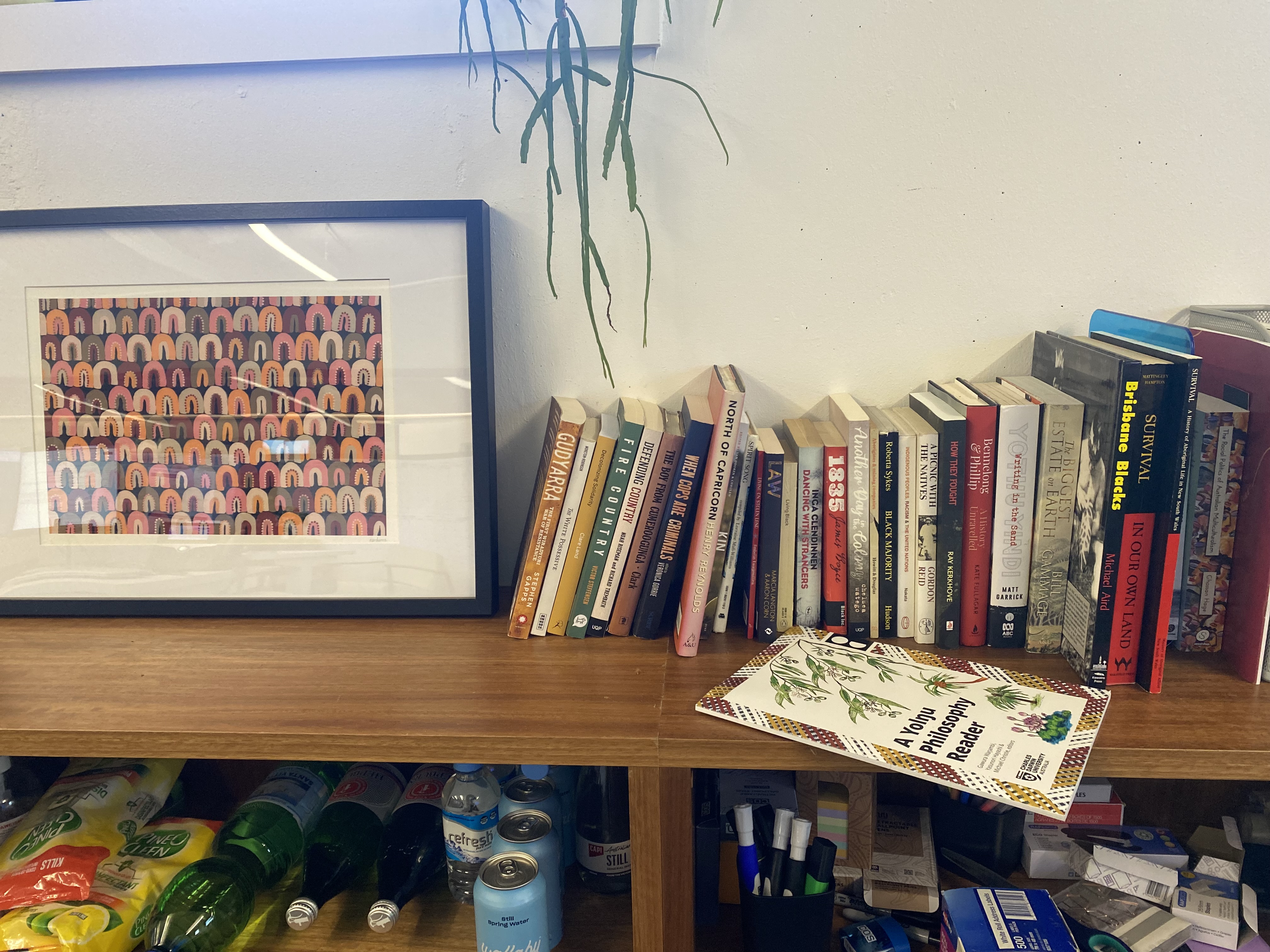
Knowledge Practices
This stream of work understands knowledge-as-practice, with its members taken as participants in explicating the ethics and politics of knowledge production in various contexts, including in classrooms, workplaces and tertiary institutions. Starting with positioning ethics as central, the knowledge practices stream tries to show the work required to resist status quo (enlightenment) knowledge production practice, focusing on what it means to teach and research with care, reciprocity, and sensitivity in the settler colony, supporting anti-harm, decolonial, and Indigenous approaches. Through this work the stream will support the production of objects of knowledge that are articulated as responsible, with accounts of how such assertions are grounded.
Part of the grounding of this stream’s work is understanding the ways colonialism constructs knowledge as a resource to be extracted and is thus committed to Indigenous data and knowledge sovereignty. Drawing from diverse sources, including Indigenous theorists and scholarship, it resists colonial claims to objectivity and understands knowledge to be always partial and located. The stream is committed to explicating the challenges of doing ethical knowledge practice within colonial institutions, always starting with those who participate in its projects.
In working both separately and collectively, our team sees the emerging research within this stream of work as itself providing fertile empirical grounding for elucidating the potential and limits of a focus on knowledge-as-practices within the routines of colonial institutions, and in collaboration with other knowledge authorities and their institutional practices. As scholars, actively reflecting on emerging inquiries which centre knowledge-as-practice, we aim to understand ourselves and our contributions, and through this be responsible and accountable for the work that we do.
For more information contact convener, Dr Matt Campbell matt.campbell1@unimelb.edu.au.