S Ernest Sprott Fellowship
- Study level
- Graduate coursework, Graduate research
- Enrolment status
- Alumnus
- University Trust Record
- Other
-
Award type
Fellowship
Number of scholarships awarded
Up to 2
About
The S Ernest Sprott Fellowship is available to Australian researchers and writers intending to study outside of Australia, leading to publishing a book relating to dramatic or non-dramatic English literature of the sixteenth or seventeenth centuries.
Applications open
10 August 2026
Applications close
5 October 2026
Benefits
Up to $50,000 is available for each fellowship and up to two awards may be offered. Award payments will be made in instalments, as per reporting requirements.
Eligibility
To be eligible for this fellowship, you must:
- be undertaking a program of independent scholarly study outside Australia;
- as a result of the above study, intend to publish a book relating to dramatic or non-dramatic English literature of the sixteenth or seventeenth centuries;
- be an Australian citizen;
- be less than 45 years old, at the time of the award;
- have an outstanding record of high academic achievement; and,
- have completed formal study before the proposed travel dates.
Selection criteria
The fellowship will be awarded to the applicants who make the most compelling case for support by demonstrating:
- the relevance of the comprehensive program of independent scholarly study outside Australia to a book relating to dramatic or non-dramatic English literature of the sixteenth or seventeenth centuries;
- the quality and feasibility of the proposed program of independent scholarly study outside Australia;
- academic merit;
- the skills, experience and aptitude required to carry out the proposed project as evidenced by the application.
Conditions
Recipients are required to:
- accept the award online within 21 days;
- submit the relevant travel documents;
- submit project progress reports for payment instalments, subject to approval by the selection committee; and,
- submit a final report within two months of returning from travel.
Outcome
Applicants are advised of the outcome via email within 8-10 weeks.
Application process
Eligible applicants must complete the online application form, including:
- details of your proposed program of study overseas;
- a summary of your proposed program of study overseas;
- evidence of an affiliation, or initial contact, with a relevant library or university;
- a 300-500 word statement outlining how you would use this fellowship, including how the comprehensive program of independent scholarly study will lead to the publication of a book relating to dramatic or non-dramatic English literature of the sixteenth or seventeenth centuries;
- a list of sources and manuscripts you intend to access;
- an indicative budget;
- at least one academic reference;
- a two-page resume, including your present position and list of publications;
- copy of proof of Australian citizenship (passport, birth certificate, citizenship certificate, etc.; the selection committee may request your original copy at a later date); and,
- any other information which may assist the committee in making its decision.
Enquiries
artsawards-info@unimelb.edu.au
About the donors
The donor, Samuel Ernest Sprott was born in Hobart, Tasmania. He was an academic in the department of English at Dalhousie University, Canada, from 1958 to 1985. For almost 25 years after his retirement he continued his research in early modern literature, most notably in Shakespearean studies. Best known for his books on John Milton, he also published a collection of poems in 1955. Following his death in 2009, the S Ernest Sprott Fellowship was established to support Australian scholars in the study of English literature of the sixteenth or seventeenth centuries.
Recipient feedback
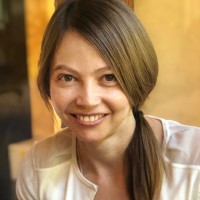
Merridee Bailey
At a time when the humanities seems under threat it is reassuring to know that scholarly work is valued and its importance is recognised. The generosity of S Ernest Sprott in helping Australian scholars immerse themselves in the literature of early modern England is a rare gift and one I am deeply appreciative of.
The information listed here is subject to change without notice. Information describing the number and value of scholarships awarded is indicative.