“False Confessions:” Representing Crisis in Contemporary Theatre and Activism
4th Floor Linkway, John Medley Building, University of Melbourne.
MapShare via
“False Confessions:” Representing Crisis in Contemporary Theatre and Activism
Lindsay Goss (University of Melbourne)
- Wednesday 14 October, 4:00-5:30pm
- 4th Floor Linkway, John Medley Building, University of Melbourne
Abstract
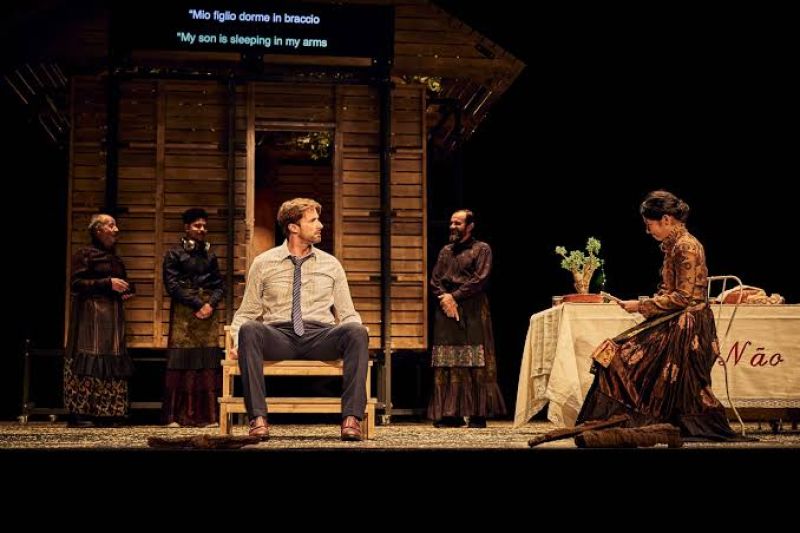
The play Catarina and the Beauty of Killing Fascists (2020) concludes after a fascist is not killed but everyone else is. Following this, the fascist begins a tirade against women, immigrants, ethnic minorities, and religious minorities. The speech goes on for quite some time; in many cases audiences have become animated in response: heckling, leaving, throwing objects or rushing the stage.
How does it happen that a theatre audience can be so provoked by this concluding speech that they respond as if an actual fascist, and not an actor playing one, was standing on stage before them? This paper puts Catarina in conversation with other “false confession”—the term I am using for performances, onstage and off, that seek to produce the experience of truth through a deliberate or doubled act of deception, misdirection, or misidentification. I consider how such acts of representation might help us think the problem of “truth” in relation to activist efforts to represent states of crisis.
Lindsay Goss