The Hold Before Ypres: Amiri Baraka and the Invention of Atmosphere
4th Floor Linkway, John Medley Building, University of Melbourne.
MapShare via
The Hold Before Ypres: Amiri Baraka and the Invention of Atmosphere
Amir Farshad Shirzaei (University of Melbourne)
- Wednesday 23 September, 4:00-5:30pm
- 4th Floor Linkway, John Medley Building, University of Melbourne
Abstract
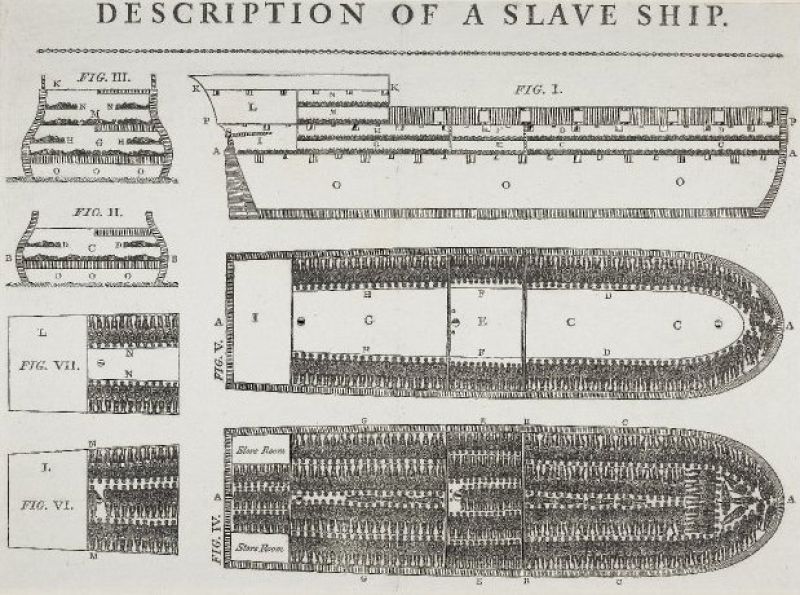
In this paper, I examine how Slave Ship: A One-Act Play (1978) by Amiri Baraka uses scent to build suspense. As Baraka specifically requested incense, sea scent, dirt, filth, and more—all building to what he subsequently refers to as a "total atmosfeeling"—the staged atmosphere was the primary focus of the slave-ship hold. By comparing these guidelines with Peter Sloterdijk's description of the biochemical assault at Ypres in 1915, the birthplace of modern atmospheric warfare, I contend that Slave Ship implies an alternative genealogy, given that the control of air and breath on board the slave ship is centuries older than Ypres. The intention is to analyze olfactory dramaturgy in relation to the politics of a racially stratified environment.
Amir Farshad Shirzaei