Our programs investigate the diverse ways that people today interact, organise and find meaning in their lives. We analyse the processes of social, economic, political and cultural change that underlie poverty, inequality and insecurity in the contemporary world.
Anthropology and Development Studies at Melbourne
Anthropology
Anthropology is the study of the many societies and cultures of the world and their complex interaction. Anthropology’s global scope is complemented by a local focus and this unique perspective is made possible by participating in the daily life and language of the communities we study. Contemporary social anthropology asks broad and detailed questions about what it means to be human in a globalising world, as well as providing a critical vantage point from which to reflect on ourselves and others.
Development Studies
Development Studies is an interdisciplinary field of research and teaching that addresses processes of social, economic, political, ecological, and cultural change. It critically examines the actors, institutions, practices, and ideologies that are involved in those processes of change and is oriented towards both improving and critiquing the tools, practices and policies of development. Through our research and teaching, we engage with and advance ongoing global debates on poverty, inequality and insecurity in the contemporary world.
-

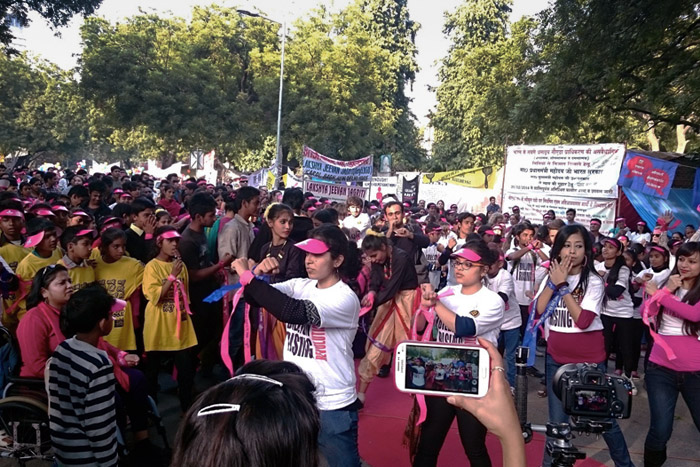
Family members video a shadow performance at a school in Lucknow, India. Amanda Gilbertson.
Family members video a shadow performance at a school in Lucknow, India. Amanda Gilbertson. -
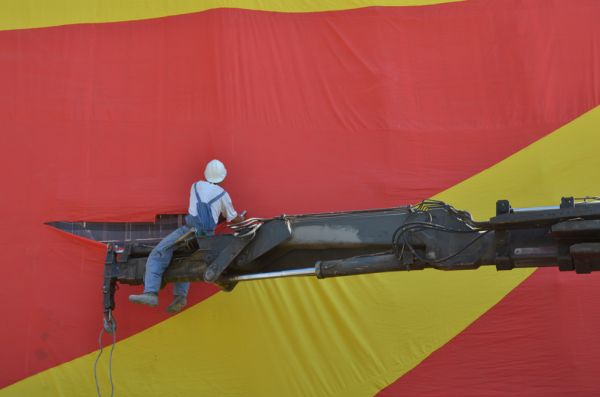
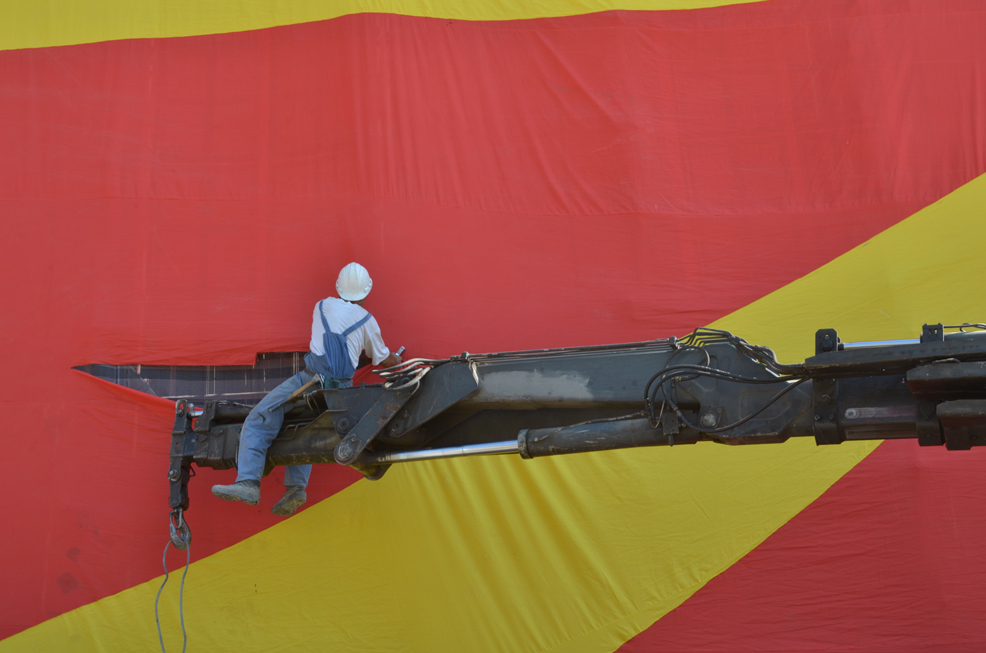
A construction worker repairing a Macedonian-flag coloured scaffolding net without protection harness. Fabio Mattioli.
A construction worker repairing a Macedonian-flag coloured scaffolding net without protection harness. Fabio Mattioli. -

Researching Transnationalism Online. Andrew Dawson.
Researching Transnationalism Online. Andrew Dawson. -
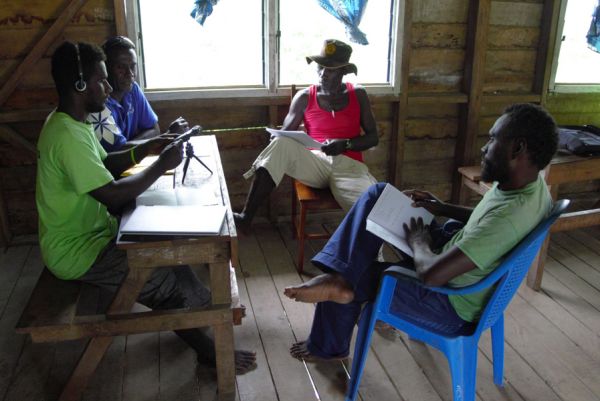
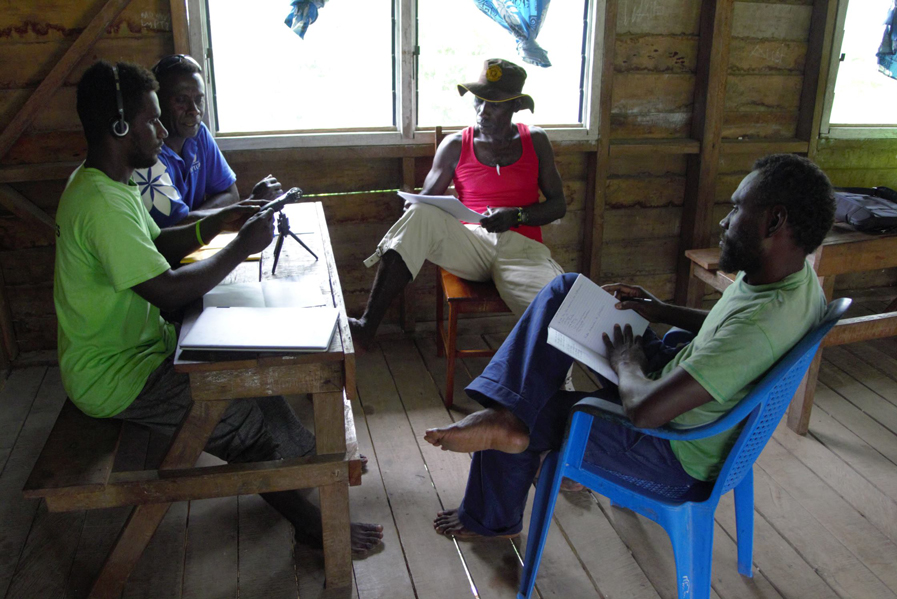
Local cultural research at the Kulu Language Institute, Solomon Islands. Debra McDougall
Local cultural research at the Kulu Language Institute, Solomon Islands. Debra McDougall -
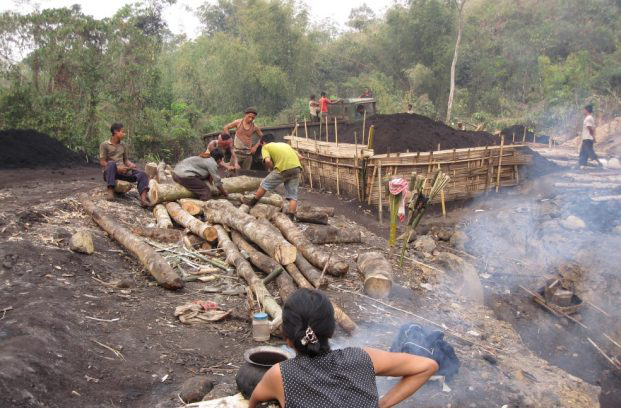
Activities in a coal mining site along the foothills of Nagaland, Northeast India. Dolly Kikon
Activities in a coal mining site along the foothills of Nagaland, Northeast India. Dolly Kikon


Explore our research
Research projects undertaken by our academic staff are diverse and multi-disciplinary.
-
Towards Planning and Designing an African Migrant Wellbeing Framework in Australia
This project aims to explore and analyse the wellbeing of African migrants and develop a sustainable settlement and wellbeing framework in Australia.
-
Economic, Political and Cultural Brokers at a Resource Frontier in Papua New Guinea
How local brokers emerge, mediate flows of resources and manage (or exacerbate) contradictions, conflict and inequities.
-
Risk, responsibility and experience: Exploring complex relations with alcohol
This project explores how risk and responsibility towards alcohol are understood and enacted.
-
New Regional Labour Circuits in the South Pacific: Gender, Culture and Transnationalism
This project investigates the transforming contemporary Pacific.
-
Women’s collective action and the village law in Indonesia
How women are driving change and shaping pathways for gender-inclusive development in rural Indonesia.
-
Class troubles: Tackling social inequality in Indian schools
This project aims to investigate whether affirmative action education policies can assist in breaking down social inequality.
-
Learning through language in Solomon Islands
This research is undertaken in partnership with remarkable community-led vernacular language initiative based on Ranoqa Island in Solomon Islands’ Western Province. Over twenty-five years, the Kulu Language Institute has taught youth and adults not just to read their languages, but also to analyse its underlying structure.
-
Livelihoods in Forest Ecosystem Recovery
Livelihoods in Forest Ecosystem recovery is an eight-year multi-disciplinary project that addresses pressing challenges. Recognising that tropical forest restoration will only be successful if resource owners are partners in the project of restoration, it focuses not only on ecological outcomes but also socio-economic benefits of restoration for the people who control and depend upon the forests for their livelihoods.
Study with us
Our Anthropology and Development Studies courses teach the diverse ways that people today interact, organise and find meaning in their lives. You’ll explore the processes of social, economic, political and cultural change that underlie poverty, inequality and insecurity in the contemporary world.
Undergraduate
- Bachelor of Arts Anthropology Major
- Bachelor of Arts Development Studies Minor
- Bachelor of Arts (Degree with Honours)
Graduate coursework
- Master of Development Studies
- Master of Develoment Studies (Specialisation in Gender and Development)
- Master of Leadership for Development
Graduate research
Meet our Anthropology and Development Studies staff
Our Anthropology and Development Studies staff are leading researchers and teachers in a range of areas including power, inequality, poverty, governance, identity, health, education, globalisation, conflict and security, migration and displacement, urbanisation, technology, environmental issues, leadership, and the relationship between citizens and the state.