Migrant Motherhood project
Seeking to understand the Mental Load of South Asian Migrant Mothers in Victoria, Australia
Project Overview
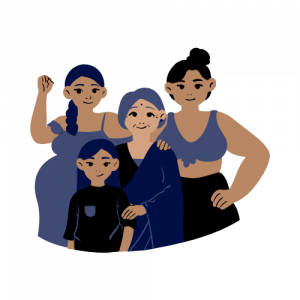
This PhD project is about understanding the often-unseen work that mothers do to manage their homes, families, and relationships, which is mostly done by women. This work, often called the "Mental Load," includes all the mental, emotional, and planning tasks that keep family life running smoothly—things like remembering appointments, organizing daily routines, and making sure everyone’s needs are met. Although this idea isn’t new, it’s mainly been studied from the perspective of certain groups, which leaves out the experiences of many mothers, especially those from different cultural or immigrant backgrounds.
The goal of this study is to better understand how the Mental Load affects mothers from diverse backgrounds, including migrant mothers. By including these different voices, we hope to break the cycle of poor representation and create research that truly reflects the variety of experiences mothers face in today’s global world. This study aims to explore these important issues in a way that recognizes the real, everyday challenges many mothers deal with.

Research Stages
Data Collection
Solo Interview
Should you agree to participate, you will be asked to partake in an in-depth interview. While we expect each conversation to take approximately 60 minutes, they can be as short or long as you prefer.
Interviews will be scheduled for times convenient to you, the participant, and in an environment most feasible for you – either in-person, hosted in a Third Space (social surroundings that are separate from one’s home, e.g. a cafe, library, park, etc.) in your locality; or online, via Zoom. If you choose to participate in your interview in-person, you will have the option of choosing to have a sit-down interview or a walking interview (walk and talk) depending on your needs, schedule and comfort. The style of interview can change at your request at any time.
Follow-up Interview (optional)
The researcher will invite you to participate in a follow up interview with them at a later date to further discuss the experiences you shared in your first interview with them. There is no obligation to participate in this additional interview.
If you do choose to participate in this additional stage, you will be asked to partake in a similarly structured interview that will take approximately 60 minutes. The conversation can be as short or long as you desire. This additional interview will be scheduled in the same way as your primary interview (detailed above) – scheduled at a time and place convenient for you.
Paired Interview (optional)
The researcher will invite you to nominate someone who you share caregiving responsibilities with to participate in a similar interview to your primary interview. This person could be your partner, parent, in-law, relation, sibling, child or friend. There is no obligation to participate in this additional interview.
If your nominee chooses to participate in this additional stage, they will be asked to partake in an interview that will take approximately 60 minutes. The conversation can be as short or long as they desire. This additional interview will be scheduled in the same way as your primary interview (detailed above) – scheduled at a time and place convenient for them.

Data Storage
The conversation will be audio recorded for the researchers to use later for analytical purposes. Your name will not be attached to the recording, and it will be securely stored on University of Melbourne-approved platforms to ensure confidentiality.

Data Analysis
Your data will be used in a pool of other participants’ data to identify themes of migrant motherhood and the mental load. De-identification processes will be upheld in data analysis and write ups of research findings.

Findings
You may contact the PhD researcher at any time to inquire about findings and results. Findings of this research project will be discussed in conferences, published in peer-reviewed academic journals, and shared via media outlets and platforms.
This project has received University of Melbourne Ethics Approval No. 32346. If you have any concerns, please contact the Human Ethics Team.
- HumanEthics-complaints@unimelb.edu.au
- Phone
- +61 3 8344 2073
Call for Participants
- Who identify as a South Asian Woman (Afghani, Bangladeshi, Bhutanese, Indian, Pakistani, Maldivian, Nepali, and/or Sri Lankan)
- Who have previously been, or are currently pregnant, a parent, or a caregiver
- Who entered Australia on a working or skilled visa (held either by themselves or their partner)
Register your interest
Please contact Mira Gunawansa, PhD candidate, at a.gunawansa@student.unimelb.edu.au with:
- Your name
- Your age
- Your South Asian country of origin
- Your preferred means of communication – either email or Whatsapp contact number
-
- By participating in this project and its interviews, you will be contributing valuable insights and information that will help address and achieve the goals of the research, as outlined above. The findings of this research have the capacity to better inform policies, programs and services that support the settlement of migrants into their new communities.
- You will receive a gift voucher in thanks for your time and insights.
- There might be opportunities for you to collaborate with the researcher for future projects affiliated with this PhD research to deepen and develop its findings and scope further.
-
- This study has been approved by the Human Research Ethics Committee. While there are no physical risks involved, some of the topics we will discuss may be personal or sensitive in nature. You may experience emotional discomfort, such as feeling upset, anxious, stressed, or recalling difficult or traumatic memories.
- Please know that you are in control of your participation at all times. You may choose not to answer any question, pause the interview, or stop altogether without giving a reason. You can also request to have your data withdrawn up until [insert applicable date or data cut-off point].
- The researcher will approach all conversations with care and cultural sensitivity. If you experience any distress, you will be offered a list of free, confidential support services - including those that are culturally safe and familiar with supporting migrant communities - that you can contact for help.
- All responses will be anonymised, and no personally identifying information will be published or linked to your name. This means your privacy and confidentiality will be fully protected.
- If do you find yourself in need of support at any point of participation in this project, please download this resource booklet which lists a number of diverse, culturally safe, free support services, hotlines and program you can access.
-
No. Participation is completely voluntary and it is not compulsory to take part in the project. You can withdraw at any time or ask to skip questions that you do not wish to answer.
-
- Given the data collected is of a sensitive nature, all information that could potentially identify participants will be anonymised to be protected.
- The data will be stored on the researcher’s secure University of Melbourne Sharepoint Drive over the course of the researcher’s PhD course at the university. These files will require authentication to be accessed, and only members of the panel supervisory team will have direct access to this information.
- In regard to wider research dissemination, data will be shared in an anonymised and condensed format appropriate for research translation to the public, either via academic journals, media articles and/or future research projects invested in this field of study.
- Data collected from this project is likely to be used to inspire or influence the PhD researcher’s future work. All of the above precautions to protect participants’ identities and shared experiences will be maintained, and all data (completely deidentified) will be kept private to that of the researcher on a personal secure drive that is password protected.
- The researcher will keep participants updated with the use of the project data, its publications, and use of its findings for further research. Participants are also encouraged to maintain contact with the researcher through her email and the project website.
Research Team
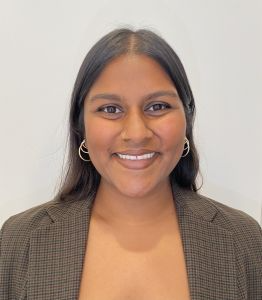
Mira Gunawansa
Mira Gunawansa is the PhD candidate for this research project. Her work examines the experiences of migrant communities, with a particular interest in how gendered expectations shape caregiving and family roles.
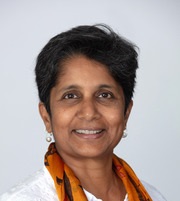
Bina Fernandez
Bina Fernandez’s research focuses on gender, migration, and the experiences of migrant women, particularly around social policy and social labour. Her expertise in these areas will provide essential guidance for exploring the mental load of migrant mothers.
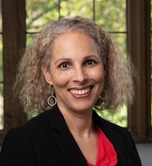
Karen Farquharson
Karen Farquharson’s expertise in gender, family and social policy, particularly around structural inequalities, will provide valuable insights into the societal factors influencing the mental load of migrant mothers.

Leah Ruppanner
Leah Ruppanner’s research on gendered labour, work-life balance, and the mental load will be key in understanding the unique challenges migrant mothers face in balancing family and work responsibilities.
This project is conducted through the University of Melbourne's School of Social and Political Sciences PhD Program and the PhD researcher is funded by a Melbourne Research Scholarship. Gift vouchers for participation in this project is funded by the University of Melbourne's Faculty of Arts Essentials Grant.
This project has received University of Melbourne Ethics Approval No. 32346. If you have any concerns, please contact the Human Ethics Team.
- HumanEthics-complaints@unimelb.edu.au
- Phone
- +61 3 8344 2073