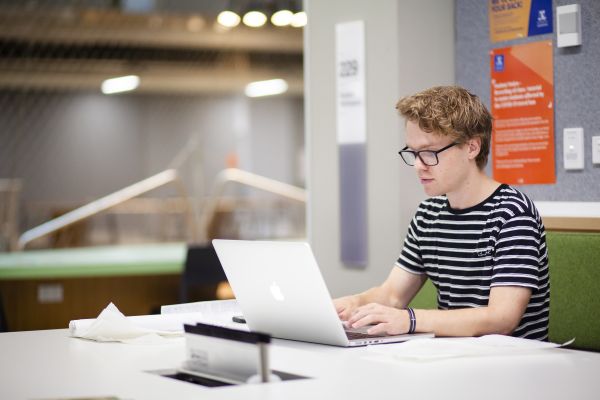
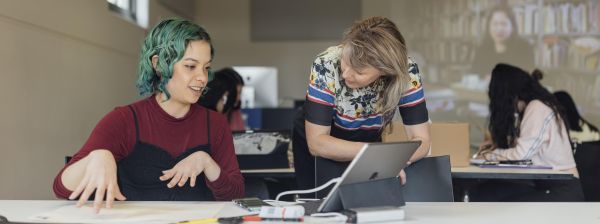
Classroom-based Experiential Learning applies experience-reflection-learning cycle to create authentic classroom learning that integrates theory into practice and builds metacognitive skills. In Arts disciplines, experiential classroom learning designs can develop students’ critical thinking, active citizenship and empathy. These capabilities, in turn, develop students’ confidence in navigating their futures.
This toolkit is a flexible resource for educators in the Humanities and Social Sciences to find feasible and achievable ways to create authentic classroom experiences and build skills and capabilities in their students. Start by exploring skills that you would like to build in your students or teaching challenges you want to solve. Alternatively, browse ideas for piloting and evaluating classroom designs or read case studies of classroom-based experiential learning from Arts disciplines, ranging from politics and media to archaeology and languages. These case studies describe seven experiential classroom designs that were piloted as part of a Learning and Teaching Innovation (LTI)-funded project and form the foundation for this toolkit.
The LTI project and this toolkit were a collaboration by Dr Elena Balcaite from Arts Teaching Innovation (ATI) and seven Faculty of Arts colleagues – Associate Professor Liz Dean, Dr Sonja Molnar, Dr Gonzalo Villanueva, Dr Becky Clifton, Elisabetta Ferrari, Dr Antonia Wimbush, and Dr Rachel Woodlock. Dr Andrea Dodo-Balu lent her expertise in the Scholarship of Teaching and Learning (SoTL) and assisted with the evaluation of activities and data analysis, and developing the toolkit.