Message from the Associate Dean Diversity and Inclusion
Welcome to the Faculty of Arts' Diversity and Inclusion website.
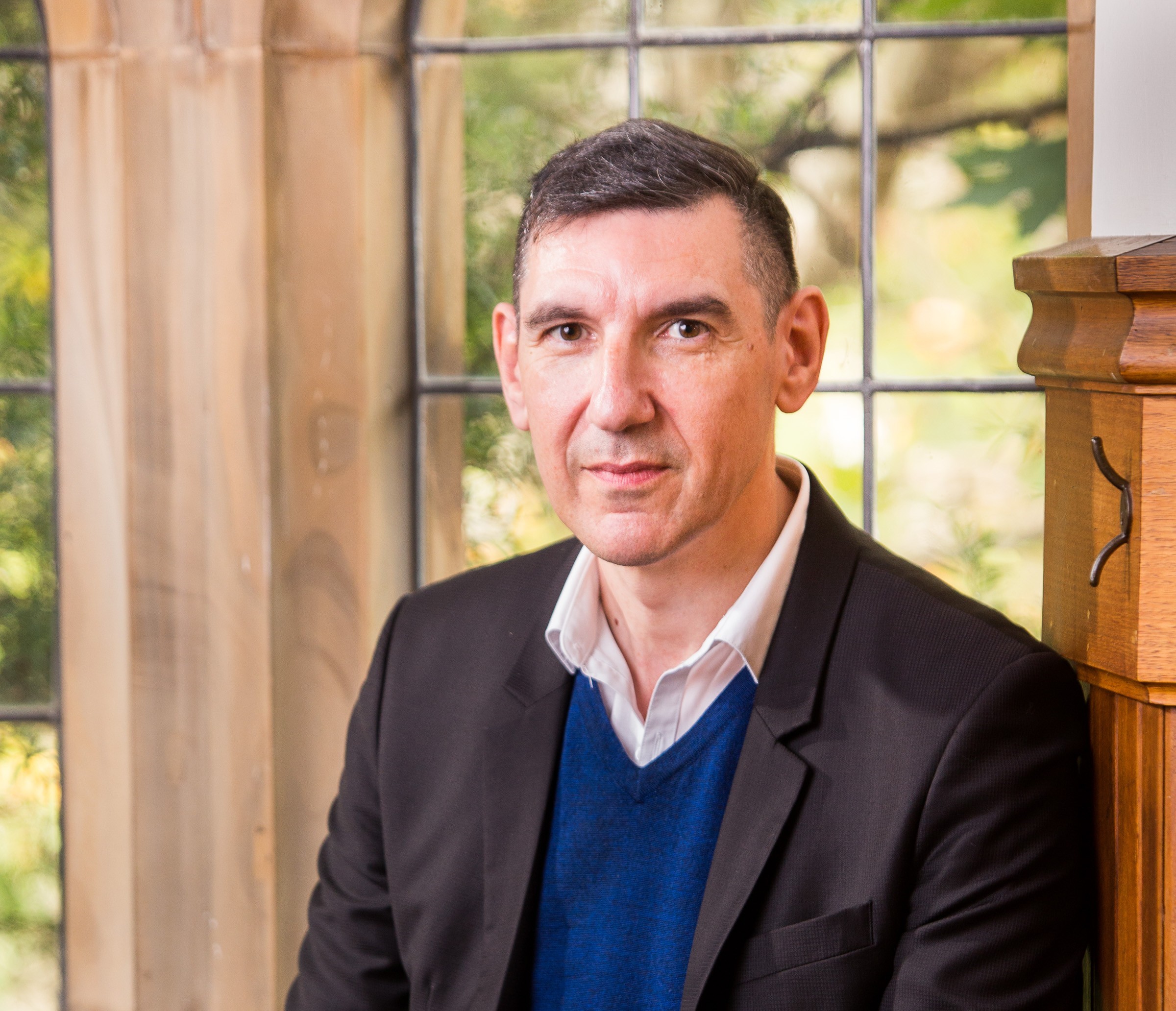
Diversity, Equity, Inclusion, and Belonging are core values of the Faculty of Arts. We know that education, research, and public engagement are at their best when they grow out of a genuinely respectful, diverse, and inclusive community. We value students, staff, and associates for who they are, and we are committed to welcoming diversity in all its forms while fostering a real sense of belonging. Diversity is not an add‑on; it sits at the heart of our mission and guides us as we imagine a fairer, more creative, more sustainable, and more just academic community.
We acknowledge the progress the University has made in meeting its diversity goals. We also recognise the significant work that lies ahead: advancing gender equity; promoting antiracism and racial justice; affirming and supporting LGBTIQA+ communities; improving access, participation, and inclusion for people with disability; and celebrating the richness of linguistic and cultural diversity across our Faculty. We are committed to advancing the University’s Indigenous Strategy Murmuk Djerring and partnering with Indigenous colleagues, communities, and knowledge holders. These priorities guide our policies, programs, and everyday practices.
As Associate Dean, I’m fortunate to work with a dedicated Diversity and Inclusion team, and with colleagues and students who share a strong commitment to diversity, equity, inclusion, and belonging.
I invite you to explore our initiatives, engage with our work, and join us in shaping a Faculty where everyone is respected, supported, and empowered to thrive.
Professor Alfredo Martinez-Exposito
Associate Dean Diversity and Inclusion

Fostering a dynamic, diverse and inclusive community
The Faculty of Arts strategy map 2019-2025 commits to diversity and inclusion as one of our core values. We work to create and sustain a positive, inclusive and welcoming culture in which diversity is celebrated and all students and staff are respected and valued.
-
Arts Indigenous
Arts Indigenous aims to transform the Faculty of Arts through centering Aboriginal and Torres Strait Islander Peoples, Knowledges, and Perspectives.
-
Diversity & Inclusion Small Grants Program
A small grants program to support staff and students who are interested in hosting or coordinating events that further the vision of the Faculty.
Diversity and inclusion events
Student storytelling
Student storytelling guidelines
This is a storytelling program designed to promote intercultural understanding, celebrate diversity and inclusion, and build meaningful connections between students and staff.
-
To provide a space for students and staff to reflect on and share personal stories (experience) related to meaningful diversity and inclusion encounters they have had at the university.
-
- 250 to 300 words of personal stories written (for 1 minute reading).
- Topic should be related to diversity & inclusion, for example intercultural experiences, gender equity, disability, LGBTIQA+ community, and anti-racism
- Writers are encouraged to express their stories creatively in ways that inspire the audience to reflect on the importance of diversity and inclusion
- Title of the story should be provided.
- The story should be submitted in word format to arts-diversityandinclusion@unimelb.edu.au
- You must be a Faculty of Arts student.
You can also remain anonymous if you prefer.
-
- Did you experience any culture shock when you first started your university journey? How did it make you feel, and how did you respond to or cope with the situation?
- Have you discovered anything interesting or surprising during your time as an international student, something you might never have encountered or thought about before coming to university?
- As a local student, have you had any meaningful interactions with international student friends that helped you realize the importance of diversity and inclusion?
- Diversity and Inclusion (D&I) is not only about celebrating cultural differences, but also about embracing gender equity, disability inclusion, generational diversity, anti-racism and the LGBTIQA+ inclusion. Have you had any meaningful personal encounters or experiences related to these areas that you would like to share with the Faculty of Arts community?
- Have you had any experiences within the Faculty of Arts that sparked or deepened your awareness of diversity and inclusion?
You are more than welcome to have other stories beyond the prompt given above.
-
Get an exclusive limited-edition Faculty of Arts hoodie once your story is featured on next newsletter and website.
Report an incident or issue
-
- Student complaints and grievances: Processes and procedures required to raise or escalate a student complaint or grievance, including the reporting of sexual misconduct.
- Raise a concern or issue: How to raise a concern or issue, and the processes, policies and services available at the University to help you seek a resolution.
-
- Speak Safely Portal: This Speak Safely portal has been created for the University of Melbourne to help you speak safely about sexual assault, harassment and other forms of inappropriate behaviour to access support, take notes, or seek action from the University of Melbourne. If you make a report, you will be contacted to discuss next steps. You may not be ready to report something straight away but would like to put it on record for yourself via the Diary Note pathway.
- Inappropriate workplace behaviour line: Confidential reporting service providing a channel for employees and students to report inappropriate employee behaviour: unlawful discrimination; sexual harassment; harassment; sexual assault; bullying; stalking; victimisation, or vilification (Phone: 1800 685 463).
Resources and support
There are a range of resources, groups, and services, both within the University and with external organisations, that may assist underrepresented and marginalised communities and their allies.
-
University Resources
- Murrup Barak: Supports Indigenous students at the University through a range of academic and employment services and events.
- Indigenous Knowledge Institute: Interdisciplinary research institute aiming to advance research and education in Indigenous knowledge systems.
- Research Unit for Indigenous Languages: Works with Indigenous communities across Australia and the region to expand and strengthen Indigenous language research, and to support efforts by communities to maintain their linguistic and cultural heritage.
- The Australian Centre: Runs the Critical Public Conversations Series and the Interdisciplinary Graduate Research Program in Indigenous Settler Relations.
- Faculty of Arts Indigenous Postdoctoral Fellowship: A four-year fellowship awarded to an Indigenous Australian researcher who has recently completed or close to completing a PhD.
- Indigenous Bursaries: Several bursaries for Indigenous students are offered by the University.
- BlakAbility: BlakAbility is an exciting new Australian Research Council (ARC) funded project looking to improve the lives of Aboriginal and/or Torres Strait Islander people living with disability. This is the first time a project such as this has been undertaken and the team is led by Dr Sheelagh Daniels-Mayes.
External Resources
- Wurundjeri Woi Wurrung Cultural Heritage Aboriginal Corporation: Provides a range of services including consultations, awareness training, research, cultural practices for events, and natural resource management.
- Victorian Aboriginal Community Services Association: State-wide agency providing advice to government on a range of community development issues, and provider of extensive services to the Aboriginal community.
- First Peoples - State Relations Victoria: Group within the Department of Premier and Cabinet responsible for nation-leading work in the ares of cultural rights, self-determination, treaty and truth.
- Yoorrook Justice Commission: Investigates historical and ongoing injustices against First Peoples in Victoria since colonisation. It will establish an official record of the impact of colonisation on First Peoples in Victoria, and make recommendations for practical actions and reform.
- First Peoples' Assembly of Victoria: The independent and democratically elected body to represent Traditional Owners of Country and Aboriginal and Torres Strait Islander peoples in Victoria.
- The Uluru Statement: Calls for the establishment of a First Nations Voice enshrined in the Constitution and a Makarrata Commission to supervise a process of agreement-making and truth-telling between governments and First Nations peoples.
-
University Resources
- Anti-Racism: The University published its first Annual Report on Racism in May 2025, sharing data about reports of racism made in 2024, and the status and outcomes of those reports.
- UMSU People of Colour Department: Promotes welfare, provides a safe space, and fights against racism on campus.
- UMSU BIPOC Grants Program: Grants supporting students of colour to plan and deliver a project that benefits other students in their academic cohort or wider student community.
- Anti-Racism Hallmark Research Initiative: Undertakes and disseminates solutions-focused anti-racism research and interventions to combat racism at both the interpersonal and structural levels.
- Research Unit for Multilingualism & Cross-cultural Communication: Conducts research in Australian and international contexts in fields including bi- and multilingualism, language demography, and inter-cultural communication.
- Understanding Islam: Professor Abdullah Saeed has developed a series of educational videos exploring key topics in Islam. You can watch a selection of these videos via the links here: What is Islamophobia?, Historical Roots of Islamophobia, and Islamophobia: Words Matter.
External Resources
- Racism. It stops with me: National campaign providing tools and resources to help people and organisations learn about racism and stand against it by acting for positive change.
- Diversity Council Australia: Provides information, leading practices, case studies, readings, and additional resources on cultural diversity.
- Victorian Multicultural Commission: Provides support and advocacy for culturally and linguistically diverse Victorians.
-
University Resources
- Student Equity and Disability Support Services: Information on types of support available to students with disabilities.
- UMSU Disabilities Department: Provides a space for students living with or experiencing a disability.
- Melbourne Disability Institute: Facilitates interdisciplinary research to build the evidence-base needed to guide social and disability policy reforms, and to advance opportunity and equity for people with disability, their families and carers.
- Accessibility Guides: Web accessibility guides for students and staff.
External Resources
- People with Disability Australia: National disability rights, advocacy and representative organisation made up of, led and governed by people with disability.
- Scope Australia: Disability service provider offering a range of services from therapy to accommodation support, communication support, and research.
- Australian Network on Disability: National not-for-profit that helps organisations engage with people with disability.
-
University Resources
- UMSU Women's Department: Advocates for and supports women and non-binary students on campus.
- Strong Women: Promotes the inclusion of women at Melbourne University Sport across all levels of participation.
- Athena Swan Program: An accreditation process that explores the state of gender equity at the University, followed by the development and delivery of a 4-year action plan to address opportunities and challenges. The University received the Athena Swan Bronze Award in 2020.
- Respect at Uni Week. The 2025 panel, Learning and Leading: Men and Violence Prevention, explored how gender norms and expectations shape men’s relationships and identities, and how we can shift from divisive discourse to building respectful, non-violent communities. Watch the full recording.
External Resources
- Gender Equity Victoria: Peak body for gender equity, women's health, and the prevention of violence against women.
- Safe and Strong, Victorian Gender Equality Strategy: Victorian Government strategy to prevent violence against women through gender equality.
- Chief Executive Women Australia: Advocates and engages with government and business to achieve gender balance and equal opportunity for women.
-
University Resources
- Safer Community Program: Supports the University of Melbourne to provide a safe and inclusive environment for lesbian, gay, bisexual, trans and gender diverse, intersex, queer, asexual and questioning, staff and visitors.
- Pride in Action Ally Network: Aims to bring together LGBTQIA+ identifying staff and students, along with their allies, to share information and foster an inclusive workplace and learning environment.
- Queering the Curriculum Resource: An evolving resource providing relevant theoretical and practical resources to aid staff in their practice of teaching with respect for gender and sexuality.
- A guide creating inclusive environments for trans and gender-diverse students; ideal especially for tutors or lecturers who interact with students. PDF version. Word version.
- UMSU Queer Department: Advocates for and supports queer communities on campus.
- Pride in Sport: Aims to provide a safe place for LGBTQIA+ identifying people to participate in sport.
External Resources
- Rainbow Door: Free specialist LGBTIQA+ helpline providing information, support, and referral to all LGBTIQA+ Victorians, their friends and family (Runs 10am-5pm, 7 days p/week. Phone: 1800 729 367).
- QLife: National service providing anonymous and free LGBTI peer support and referral for people in Australia (Runs 3pm-midnight, 7 days p/week. Phone: 1800 184 527).
- Black Rainbow: National Indigenous owned and operated organisation supporting Aboriginal and Torres Strait Islander LGBQTI+SB people.
- Transgender Victoria: Victoria's leading body for trans and gender diverse people, working to achieve justice, equity and inclusion.
-
University support services
- Safer Community Program: Provides support and advice to members of the University community about inappropriate, concerning or threatening behaviour.
- Counselling & Psychological Services (CAPS): Provides free, confidential, short-term professional counselling to students and staff, as well as a range of workshops, mental health training, and helpful resources.
- Parental resources list: Resources for staff who are prospective, expectant, and new parents, compiled by the Faculty of Business and Economics.
- Student Equity & Disability Support: Provides supports for students who need ongoing assistance with their studies.
- Financial Aid: Provides information and advice about budgeting, managing debt and Centrelink payments, and can help students access assistance during times of financial hardship.
- UMSU Advocacy: Free and confidential advocacy service for graduate, undergraduate, domestic, and international students.
- International Graduate Student Wellbeing Group: Supports graduate international students to look after their health and wellbeing.
- External support services: Lists recommended external support services for mental health emergencies, including suicide and crisis support.
-
Student support
-
You don’t need to fly solo at uni. At the Student Health and Wellbeing Digital Hub, you can explore activities and resources to meet people and have fun.
-
Discover the different faiths and student groups near your campus. If you can't find what you are looking for, contact the Chaplaincy Team and they will happily provide you with more information.
-
The Safer Community Program offers specialist support to the University’s transgender and gender diverse (TGD) community. This support extends to information and guidance around gender affirmation at the University, facilitating connections with appropriate services and agencies, and providing TGD resources for students and staff.
The Senior Adviser (Gender Affirmation)
The University has appointed a Senior Adviser who can support TGD students and staff to affirm their gender at the University. This support extends to providing information about key UoM processes and services, as well as connecting TGD people with appropriate services and agencies outside the University.
Some of the areas that the Senior Adviser can assist you with include:
- Gender affirmation at the University
- Mental health referrals
- Family/relationship support
- Family/Intimate partner violence
- Medical care (including pathways to gender affirming medical care)
- Experiences of discrimination, transphobia, or other concerning behaviours
- Any other reason you are feeling unwell and/or unsafe
The Safer Community Program’s Senior Adviser (Gender Affirmation) can be contacted at Safer Community Program on +61 3 9035 8675 or by emailing safer-community@unimelb.edu.au.
-
The University offers two Food Relief programs to students experiencing food insecurity.
-
As an international student, we encourage you to take advantage of the many student services on offer by exploring students.unimelb.edu.au. You can also use the Student Services Directory to find a specific service, or browse our workshops and information sessions.
-
Counselling and Psychological Services (CAPS) provides enrolled students and staff a range of pathways to free, confidential psychological support, delivered by mental health practitioners experienced in the University environment. These include short-term individual counselling, group programs, workshops, training, online resources, and consultancy.
Committee members
There are Diversity and Inclusion committee representatives across all Schools and Institutes in the Faculty.
Chair: Alfredo Martinez-Exposito (Associate Dean, Diversity and Inclusion)
HR Business Partner: Clare Boek
School Representatives:
- Asia Institute: Ken Setiawan, Masae Takeuchi (semester 2) and Tamami Mori (semester 1)
- Culture and Communication: Hannah McCann and Tresa Le Clerc
- Social and Political Sciences: Claire Spivakovsky
- Languages and Linguistics: Antonia Wimbush and Giuseppe D’Orazzi
- Historical and Philosophical Studies: Lior Levy (semester 1) and Julia Bowes (semester 2)
Faculty of Arts Representative, Arts Teaching Innovation: Wajeehah Aayeshah
Queering the Curriculum Advisory Group representative: Claire Maree
Disability At Work Network representative: Sheelagh Daniels-Mayes
Racial Literacy Program representative: Laura Lori
Academic Support Office: Meredith Hinze
Professional Staff Representatives:
- Yulian Rio Pradika
- Arts Wellbeing: Bronwyn Lowe
- Project Officer, Diversity and Inclusion: Carmen Monte
Student Representatives: Pratiwi Pratiwi, Mohamad Desgia and Leon Nguyen van Tri
Contact
For more information about diversity and inclusion at the Faculty of Arts.