Gain an understanding of what disasters can impact collections and the active steps you can take to prevent them.
- Delivery mode: Online and one live group zoom session
- Includes: 3 learning modules
- Duration: 2 hours and 50 minutes
- Key dates for 2026: Enrolment closes 15 September 2026. Enrolled students must complete the self-paced online component before 16 September 2026. Online zoom session: 17 September 12.00-1.30 pm AEST.
What you will learn
Gain contemporary skills and knowledge from leading conservators.
This short course is ideal for people working with collections – including museums, galleries, keeping places, historic societies, community and private collections – seeking an understanding of best-practice conservation principles.
Professional conservators will take you through examples of things that can damage collections and practical ways you can protect your collection from disaster.
Introduction to conservation
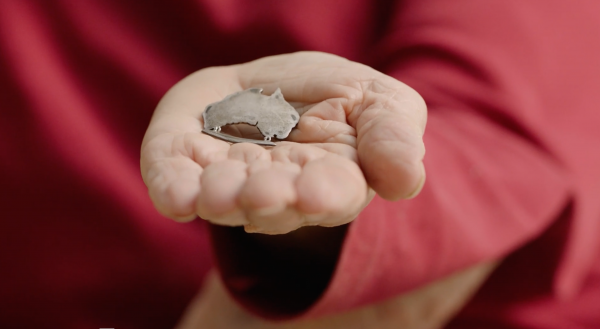
The artwork and objects in our collections are not simply possessions. They embody our cultural identity and can be preserved for future generations through careful conservation. Conservators are trained in specialised techniques to slow and even reverse damage or deterioration. Discover how conservators work to preserve objects into the future.
Preview the video trailer.
Safe object handling
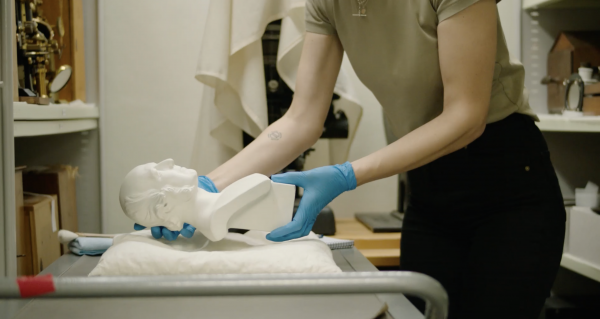
Objects are most vulnerable to damage when they are being moved. Understanding the principles of safe handling will reduce the chance of accidents happening. To safely handle objects and artworks, it is important to carefully follow a few basic principles.
Preview the video trailer.
Disaster preparedness
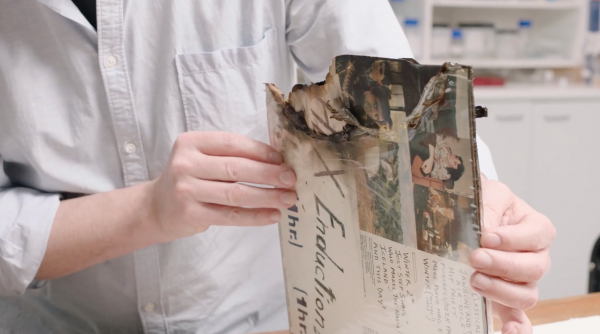
Sometimes, unexpected things can happen which have a devastating effect on your collection. Items can get wet from flooding or water leaks, and mould can begin to grow. Pest infestations can damage precious items, and fire can burn or cover items with contaminants such as soot. But preparation can avert these disasters from occurring or mitigate their long-term effects.
Preview the video trailer.
Resources
Reading resources are provided to supplement the online experience.
-
Noni Zachri
Noni is a paper and photographic conservator with a strong background in preventive conservation, focusing on risk management, environmental monitoring and disaster preparedness and has delivered many workshops on collection care and handling, disaster preparedness and recovery.
Marica Mucic
Marica is an object conservator with professional experience in record keeping and documentation, collections care, storage, and conservation best-practice.
Maddy Fraser
Maddy specialises in the conservation of paintings and frames, with experience in the treatment, restoration, and preventive care of historic and contemporary artworks and decorative surfaces.
Vanessa Kowalski
Vanessa is the Head of Conservation at Grimwade Conservation Services. She has over 20 years experience in the delivery of special projects and paintings conservation, with specialist expertise in authentication and documentation, collections care, conservation, and community learning and engagement.
-
This course is available online and includes 1 hour and 50 minutes of independent learning and a one hour live group zoom with a conservation professional.
Your total time commitment is 2 hours and 50 minutes, which includes:
- 50 minutes of guided online learning
- 1 hour of live online learning with a professional conservator
- 1 hour of reading
-
Once you've successfully completed this course, you will be awarded a Certificate of Completion.
-
Take multiple short courses to deepen your knowledge of collection care.
Storing collections properly
This series is delivered by the Grimwade Centre for Cultural Materials Conservation, drawing upon the Centre's world-leading research, teaching and professional industry expertise. It is designed to provide an understanding of applied collection storage techniques, and an opportunity to discuss your needs directly with a professional conservator through an online session.
Explore more from the Conservation Series:
- Disaster preparedness for collections
- Storing collections properly
- How to document collections
- Caring for your collection - the complete Conservation Series
-
Disaster Preparedness for Collections can be taken as a stand-alone course or complemented with any other short course in our Conservation series to deepen your knowledge and skills.
This course does not offer a pathway – otherwise known as advanced standing – into the Masters of Cultural Materials Conservation. For more information on the entry requirements for the Masters of Cultural Materials Conservation can be found here.
To advance your knowledge in conservation, choose another short course from our Conservation Series.
The Conservation Series includes:
- Disaster preparedness for collections
- Storing collections properly
- How to document collections
- Caring for your collection – the complete Conservation Series
Contact us
Have a question about the Conservation Learning Series? Get in touch.
Contact us